
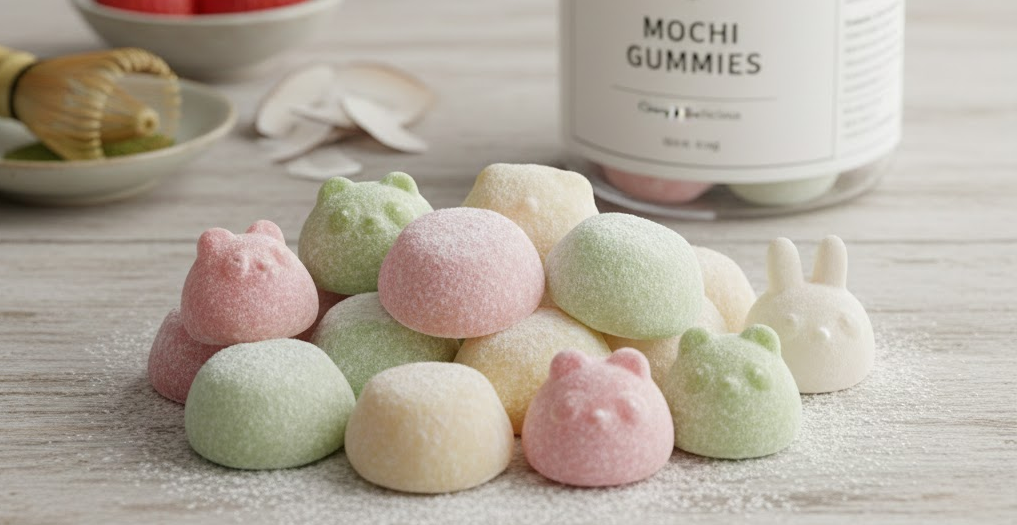
Introduction: The Unlikely Rise of the Celebrity Gummy
A decade ago, gummies meant one thing: candy. Today, they’re a $12-billion-plus global category spanning multivitamins, sleep aids, protein, hair-skin-nails blends, and recovery supplements — and increasingly, they come with a famous face attached.
It’s an odd pairing at first glance. Why would a Grand Slam-winning tennis player or an Oscar-nominated actress want their brand associated with something that looks like it belongs in a kid’s Halloween bag? The answer says a lot about where wellness culture is headed — and it’s worth understanding before you drop $40 on the next celebrity-endorsed jar.
Why Gummies Became the Wellness Industry’s Favorite Format
Before getting to the star power, it helps to understand why gummies took over in the first place:
- No-swallow convenience — no water, no capsule, no aftertaste of fish oil
- Built-in habit loop — a gummy feels like a treat, which makes people more likely to actually take it daily
- Dosing flexibility — brands can layer flavors, colors, and functional ingredients (melatonin, ashwagandha, collagen, electrolytes) into something that still tastes like dessert
- Instagrammable packaging — gummies photograph well, which matters enormously for a product category that lives and dies on social proof
That last point is exactly where celebrities and athletes come in.
The Athlete Angle: Recovery, Not Just Physique
Retired sprinter turned fitness entrepreneur Jordan Vale put it simply when launching a hypothetical recovery-gummy line: “Athletes have always taken supplements — we just hated all of them. A gummy that actually tastes good and helps me sleep after a hard training block? That’s not gimmicky, that’s overdue.”
This captures the real logic behind athlete-fronted gummy brands:
- Recovery sells better than performance. Fans don’t just want to train like an athlete — they want to recover like one. Sleep, inflammation, and joint-support gummies let a brand tap into that without making risky performance claims.
- Athletes already have credibility around discipline. A gummy brand fronted by someone known for grueling routines implies the product is serious, even when the format is playful.
- Post-career income diversification. For many athletes, a wellness brand is a natural second act — lower overhead than a restaurant, longer shelf life than a clothing line.
The Hollywood Angle: Self-Care as Brand Extension
On the entertainment side, actress-producer Mika Solano has been used in industry commentary to represent a now-familiar pattern: a star with a public wellness routine eventually turns that routine into a product line, gummies included.
Why gummies specifically appeal to entertainment names:
- Low production complexity compared to skincare or fragrance, which require heavier R&D and regulatory testing
- Built-in storytelling — “the gummy I take before every audition” is a more relatable pitch than a 12-step skincare routine
- Cross-demographic appeal — a sleep or stress gummy can market to a 22-year-old fan and that fan’s mother with the same product
How to Actually Evaluate a Celebrity Gummy Brand
Star power sells the first jar. Only the formula earns a repeat customer. Before buying into any celebrity or athlete-branded gummy, run it through this checklist:
1. Check the actual dosage, not just the ingredient list
Many gummies list a trendy ingredient (ashwagandha, magnesium, elderberry) at a dose too low to do much of anything. Look for milligram amounts, not just names.
2. Look for third-party testing
Reputable brands post Certificate of Analysis (COA) results from an independent lab. If a brand can’t show you what’s actually in the gummy, that’s a red flag regardless of who’s on the label.
3. Watch the sugar count
A “wellness” gummy with 8 grams of added sugar per serving is still candy with a marketing degree.
4. Be skeptical of “as seen on” claims
Fake endorsement ads — claiming a celebrity backs a product when they never have — are one of the most common scams in the supplement world. If an ad’s only proof is a screenshot or a blurry photo, verify through the celebrity’s own official channels before buying.
5. Separate the face from the formulator
The best celebrity-branded gummies are usually developed with a nutritionist or a real supplement company behind the scenes — the famous name is the megaphone, not the chemist.
The Bigger Trend: Wellness as Personality Branding
Coach and fitness commentator Coach Renner frames it well when discussing the category: a gummy line is no longer just a product — it’s a shorthand for a public figure’s entire self-care philosophy, distilled into something a fan can literally put in their mouth.
That’s the real reason this trend isn’t slowing down. A gummy is cheap to produce, easy to gift, effortless to post about, and — unlike a lot of celebrity merchandise — something people can plausibly convince themselves they’re buying “for their health.”
Whether that’s genuine wellness or just very well-designed candy is worth deciding for yourself, one label at a time.
FAQs
Are celebrity gummy brands actually formulated by the celebrity? Rarely from scratch. Most partner with an existing supplement manufacturer or nutritionist who builds the formula, while the celebrity shapes branding, flavor direction, and marketing.
Are gummy vitamins as effective as pills? For many nutrients, yes — but gummies often contain lower doses than capsules due to size and texture limits, and some vitamins (like vitamin D) don’t bind well in gummy form. Check the label.
How do I know if a celebrity endorsement is real? Check the celebrity’s official social media or website directly. Scam ads frequently use AI-generated quotes or lifted photos to fake an endorsement that was never given.